Turbocharger Services

Turbocharger Services

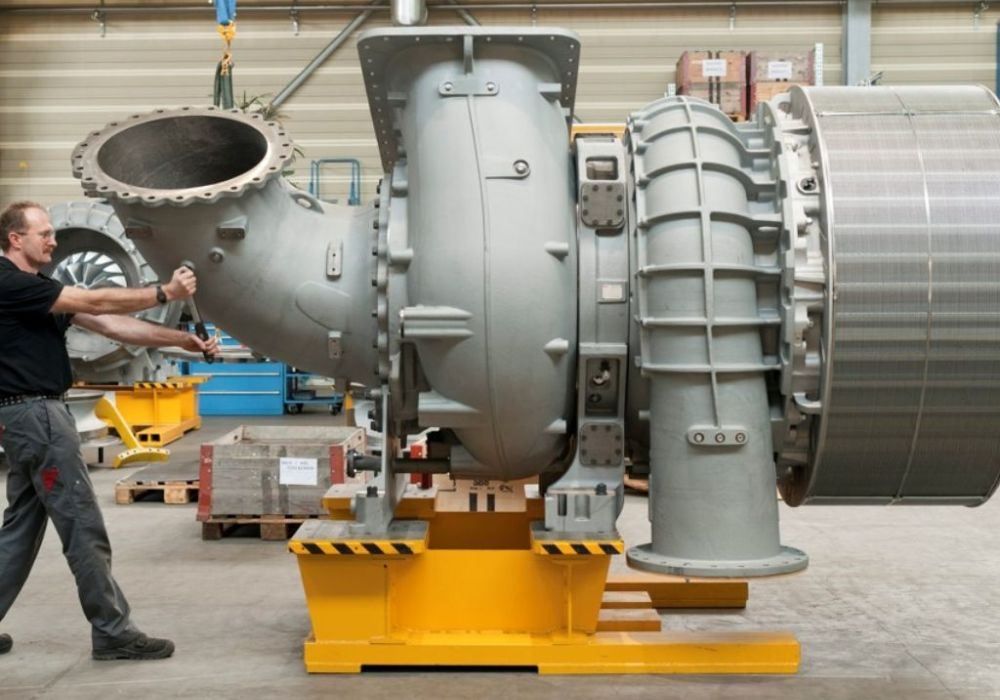
A turbocharger is a critical component of modern marine diesel engines that improves engine power, fuel efficiency, and emissions performance by compressing intake air before it enters the combustion chamber. Proper functioning of the turbocharger is essential for smooth engine operation, reduced fuel consumption, and compliance with environmental regulations.

Over time, turbochargers are exposed to high temperatures, exhaust gases, carbon deposits, vibration, and bearing wear, which can lead to reduced performance, oil leakage, excessive vibration, and even failure. Regular inspection, maintenance, and overhauling are therefore necessary to ensure reliability and longevity.

Benefits of Our Turbocharger Services

  • Improved engine performance and power
  • Better fuel efficiency and lower emissions
  • Reduced risk of turbocharger failure
  • Lower maintenance costs
  • Extended turbocharger lifespan
  • Safer and smoother engine operation

Turbochargers We Service

  • MAN B&W turbochargers
  • WinGD (Wärtsilä) turbochargers
  • ABB turbochargers
  • Mitsubishi turbochargers
  • IHI turbochargers
  • Napier turbochargers

Similar Questions

Frequently Asked Questions

What is a turbocharger overhaul?

A turbocharger overhaul involves complete inspection, cleaning, repair, replacement of worn parts, rotor balancing, and performance testing to restore optimal operation.

It prevents engine power loss, reduces fuel consumption, avoids sudden breakdowns, and extends engine life.

Typically every 8,000–12,000 running hours or as recommended by the engine/turbocharger manufacturer.

Common signs include:

  • High exhaust temperature
  • Low boost pressure
  • Excessive vibration or noise
  • Oil leakage
  • Black smoke from exhaust

Yes, we perform high-speed dynamic rotor balancing using specialized machines.

Yes, we use genuine or class-approved turbocharger parts.

Yes, our riding squad can board vessels for inspection, troubleshooting, and repair.

It usually takes 2–7 days depending on condition and model.